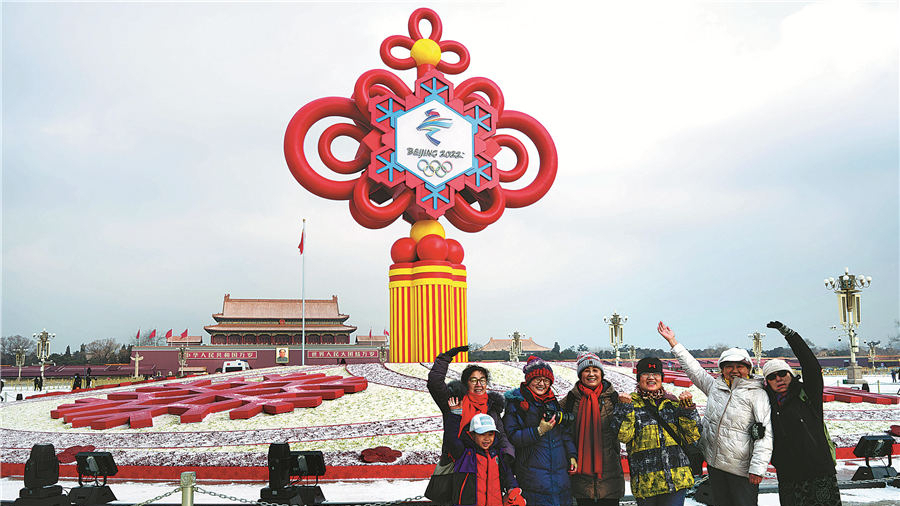
Chinese Knot
Introduction
The Chinese knot, also known as "Zhōngguó jié", is a traditional decorative craft that has been an integral part of Chinese culture for centuries. These intricate designs, created using a single thread without cutting, involve a series of complex knots and loops that symbolize various meanings, such as unity, harmony, and good fortune. The artistry of Chinese knots is considered part of China's intangible cultural heritage, celebrated for its aesthetic beauty, craftsmanship, and cultural significance. These knots are not just decorative items but are deeply embedded in Chinese cultural practices and traditions, often used during festivals, ceremonies, and as symbols of good luck.
History
The history of Chinese knotting dates back to ancient times. Originally, knots were used for practical purposes such as recording events, fastening clothing, and securing items. As the craft evolved, it began to hold symbolic meanings and became an art form, especially during the Qing Dynasty (1644-1911). Over the centuries, the techniques and styles of knotting have been refined, with families passing down skills through generations, making it an integral part of their cultural heritage. Each knot carries its own historical significance and is often associated with stories and customs that reflect Chinese values and beliefs.
Design and Symbolism
Chinese knots are rich in design and symbolism, often conveying wishes for happiness, prosperity, and longevity. They are characterized by their intricate patterns and vibrant colors, typically red, which symbolizes good luck and happiness in Chinese culture.
Basic Knots
Basic knots form the foundation of Chinese knotting and include simple designs like the "Button Knot" and "Double Coin Knot". These fundamental knots are essential in creating more complex designs and are often used independently as decorative elements or charms.
Complex Knots
Complex knots involve the combination of multiple basic knots to form elaborate designs such as the "Pan Chang Knot" and the "Cross Knot". These intricate patterns require a high level of skill and precision, each representing different symbolic meanings. For example, the "Pan Chang Knot" signifies eternity and continuity, often used in wedding decorations and as gifts for good luck.
Traditional Uses
Traditionally, Chinese knots were used in various ceremonies and festivals, such as the Spring Festival and Lantern Festival, to convey blessings and ward off evil spirits. They were also used in religious rituals and as amulets to bring protection and fortune to families and individuals.
Modern Uses
In modern times, the art of Chinese knotting has seen a resurgence in popularity, with artists and designers incorporating it into fashion, jewelry, and home decor. Contemporary uses of Chinese knots include their application in interior design, as well as in art installations and cultural exhibitions, showcasing their timeless appeal and adaptability.
Techniques and Materials
The technique of Chinese knotting involves intricate craftsmanship, requiring patience and precision. Artisans use a variety of materials, including silk threads, cotton, hemp, and recently, innovative and environmentally-friendly materials. The process involves intertwining threads into complex patterns, often incorporating beads, jade, and other ornaments to enhance their aesthetic appeal. Mastering knotting techniques is considered a highly skilled craft, with artisans often spending years perfecting their art.
Chinese Knot in Other Cultures
The influence of Chinese knots extends beyond China, with their designs and symbolism being appreciated and adapted by various cultures around the world. These knots often symbolize similar themes of good fortune, unity, and harmony, demonstrating their shared human values.








